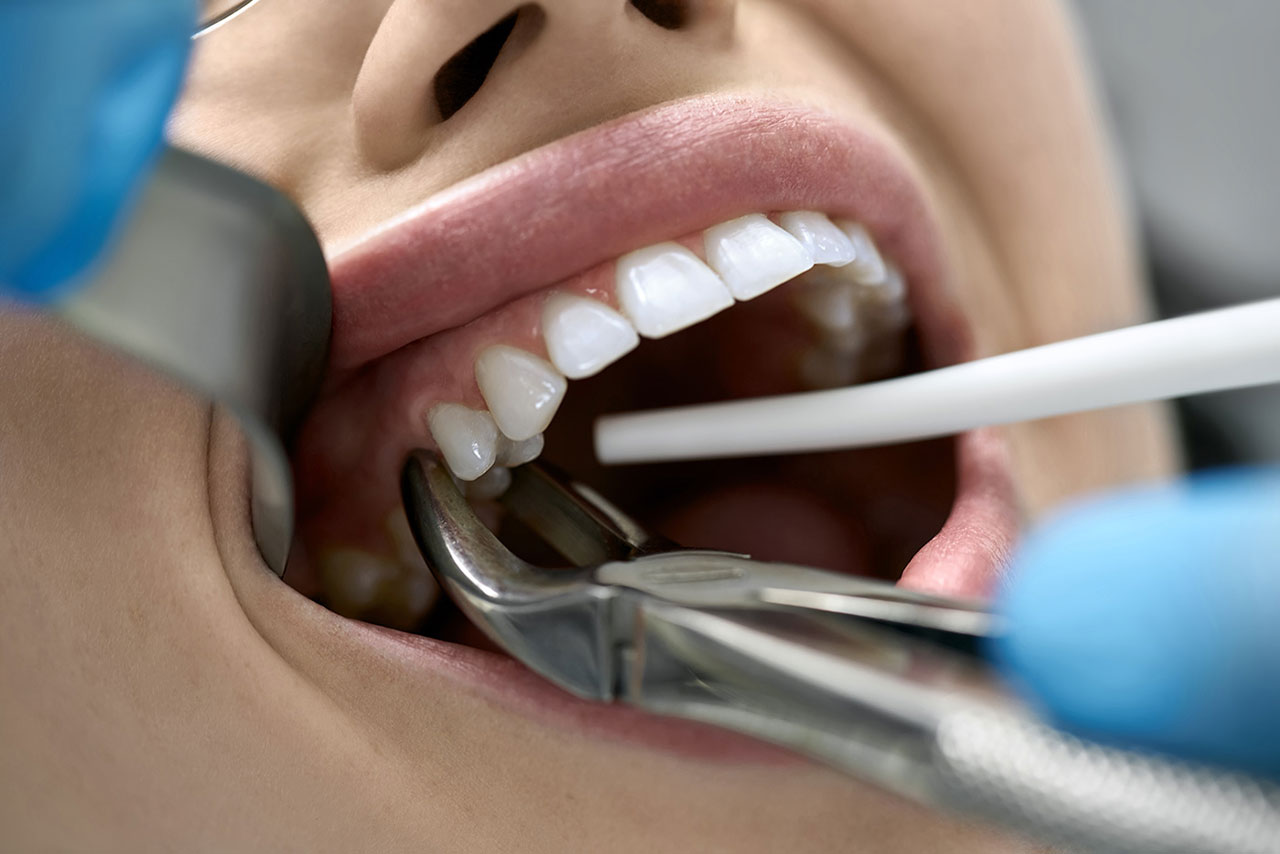
If a damaged tooth needs to be removed and you already know you want a dental implant, one question usually comes up quickly: can everything be done at the same appointment? In selected cases, a dental implant can be placed immediately after tooth extraction. However, same-day implant placement is not appropriate for every tooth or every patient.
At Easy Dental Implant Center in West Orange, NJ, tooth extraction before a dental implant is planned according to the condition of the tooth, surrounding bone, gums, infection status, implant stability, and the position needed for the final replacement tooth. Sometimes immediate placement makes sense. In other situations, allowing the area to heal first can provide a more appropriate foundation.
The important point is that “same day” should not be treated as the goal by itself. The goal is to create a healthy, stable environment for the implant and the final restoration.
What Happens After a Tooth Is Removed?
When a tooth is extracted, a socket remains in the jaw where the root used to be. The body immediately begins a healing process within that space.
Over time, the socket fills with healing tissue and bone remodeling occurs. At the same time, the dimensions of the ridge can gradually change.
Because dental implants are positioned within the jawbone, the condition of the extraction socket matters. If enough healthy bone is present and the site allows stable implant positioning, immediate placement may be possible.
However, if significant infection, bone loss, or structural damage is present, placing the implant later may be the more appropriate option.
What Is an Immediate Dental Implant?
An immediate dental implant is placed during the same appointment in which the natural tooth is removed.
After the tooth extraction, the area is carefully evaluated. The implant is then positioned within available bone according to the planned location of the future replacement tooth.
It is important to understand that the extraction socket and the ideal implant position are not always identical. Natural tooth roots come in different shapes and angles, while an implant must be positioned according to the surrounding bone and the needs of the final crown.
Therefore, immediate placement requires planning rather than simply inserting an implant into the empty socket.
Does Same-Day Implant Placement Mean You Get the Final Tooth That Day?
Not necessarily. This is one of the most important distinctions for patients to understand.
Immediate implant placement refers to when the implant fixture is placed. Immediate restoration refers to placing a temporary tooth on or around the implant during the same general treatment period.
The permanent crown is usually created after the implant and surrounding tissues have reached the appropriate stage of healing.
In some cases, a temporary tooth can be provided for appearance while avoiding excessive biting pressure on the healing implant. In other cases, the implant may need to remain protected beneath or near the gum during healing.
When Can an Implant Be Placed Right After Extraction?
Several conditions can make immediate placement more realistic.
First, there needs to be enough healthy bone to stabilize the implant. The dentist cannot rely entirely on an empty extraction socket for support.
Second, the gum tissues and surrounding anatomy must allow the implant to be positioned appropriately.
Third, any infection or inflammation must be carefully evaluated. The presence of an infected tooth does not automatically determine the timing, but the condition of the site plays an important role in treatment planning.
Finally, the implant must be placed according to the planned restoration. An implant positioned simply for convenience may create problems when the final crown is designed.
Why Might the Dentist Recommend Waiting?
There are many reasonable situations in which delaying implant placement may be recommended.
A severely damaged tooth may have caused substantial bone loss. A large infection may have affected the socket. The extraction itself may reveal that the remaining bone does not provide sufficient stability for an implant.
In these situations, the site may need to heal or receive grafting before implant placement.
Waiting should not be viewed as a treatment failure. In fact, staging tooth extraction before a dental implant can give the area time to develop a healthier foundation.
What Is Socket Preservation?
Socket preservation is a form of bone grafting that may be performed when a tooth is removed.
After extraction, graft material is placed in the socket to help preserve or rebuild important ridge dimensions. The area is then allowed to heal before implant placement.
Socket preservation may be particularly useful when the existing socket does not provide the ideal foundation for an immediate implant.
Easy Dental Implant Center also provides bone grafting for dental implants when additional bone development is needed.
How Infection Can Affect Implant Timing
Many teeth are extracted because they are badly decayed, fractured, or infected. Therefore, infection is an important part of implant planning.
The dentist evaluates the extent of infection, the surrounding bone, gum tissues, and ability to thoroughly clean the area.
Some sites may still be considered for immediate implant placement after appropriate treatment and debridement. Other sites may benefit from a healing period.
There is no universal rule that every infected tooth must follow the same schedule. Individual anatomy and clinical findings determine the recommendation.
Does Tooth Location Matter?
Yes. Front teeth, premolars, and molars have different root shapes, bone anatomy, and restorative requirements.
Front teeth often involve important aesthetic considerations because the gumline and visible contour influence the final appearance. Therefore, implant positioning must be particularly precise.
Molars have larger sockets and multiple roots. After extraction, the dentist must identify available bone that can provide the planned implant with adequate stability.
Upper back teeth are also located near the sinus, while lower back teeth have other anatomical structures that must be considered.
As a result, the possibility of same-day implant placement depends partly on which tooth is being removed.
Benefits of Planning Tooth Extraction Before a Dental Implant
Coordinating tooth extraction before a dental implant can offer several advantages, whether the implant is placed immediately or after healing:
- Preserves future options: Implant planning before extraction allows the dentist to consider how the site should be managed for replacement.
- Supports better timing decisions: The treatment team can determine whether immediate placement or staged healing is more appropriate.
- Allows grafting to be planned early: Bone preservation can be considered at the time of extraction when necessary.
- Connects surgery with restoration: The extraction and implant position can be planned according to the needs of the final replacement tooth.
- Provides clearer expectations: Patients can understand the likely timeline before the tooth is removed.
- Reduces avoidable delays: When implant replacement is planned in advance, important diagnostic and restorative decisions can be made earlier.
What Is the Typical Treatment Sequence?
Every case is different, but tooth extraction before a dental implant generally follows one of several pathways.
In an immediate placement case, the tooth is carefully removed and the implant is positioned during the same appointment. Grafting may also be placed around the implant when appropriate. The area then enters a healing phase.
In a staged case, the tooth is removed and the extraction socket is allowed to heal. Grafting may or may not be performed. Once the site is ready, implant placement occurs at a later visit.
Another approach involves longer healing when infection, significant bone loss, or other conditions need to resolve first.
After implant placement, additional healing is generally needed before the final crown or other restoration is completed.
Can a Temporary Tooth Be Used During Healing?
Often, yes. The temporary option depends on which tooth is missing and the implant treatment plan.
For a visible front tooth, maintaining appearance during healing may be a high priority. A temporary removable tooth or another provisional solution may be considered.
In selected immediate implant cases, a temporary restoration may be connected to the implant. However, biting forces must be managed carefully so the healing implant is not overloaded.
Back teeth may have different temporary requirements because function and appearance priorities differ.
How Long Should You Wait After Extraction for an Implant?
There is no single waiting period that applies to every patient.
Some implants are placed immediately. Others are placed after several weeks or months of healing. Sites that require substantial grafting may need a longer period before implant placement.
The appropriate timing depends on how the socket heals, the amount of bone available, gum condition, infection resolution, and the overall treatment plan.
Rather than focusing on a universal number of weeks, patients should ask what specifically needs to occur in their site before implant placement is recommended.
How Can You Prepare for Tooth Extraction and Implant Treatment?
Begin by telling your dentist about your medical conditions, medications, allergies, smoking or nicotine use, and previous dental experiences.
If the tooth is being removed because of pain or infection, do not assume that waiting will improve implant options. Early evaluation may provide more choices for managing the site.
You should also ask whether grafting is anticipated, whether an implant might be placed immediately, what temporary tooth options are available, and how long the overall treatment sequence may take.
What Happens During Recovery?
Following extraction or implant surgery, the area needs time to heal. Mild swelling, tenderness, and temporary changes in eating are common after oral surgery.
Your dental team will provide instructions for cleaning the area, managing food choices, and protecting the surgical site.
Avoiding smoking and following postoperative instructions are particularly important because healing tissues should be protected from unnecessary irritation.
Follow-up visits allow the dentist to monitor the extraction site, graft, or implant and determine when treatment can progress.
Plan Tooth Replacement Before Extraction in West Orange, NJ
If you already know that a damaged tooth may need removal, discussing replacement before the extraction can make the treatment process clearer. In some cases, immediate implant placement is possible. In others, allowing the site to heal first can create a more appropriate foundation.
Contact Easy Dental Implant Center at (862) 233-7057 to Schedule a Consultation in West Orange, NJ. Our team can evaluate the tooth, surrounding bone, and replacement options so your extraction and implant treatment can be planned together.
Frequently Asked Questions About Tooth Extraction Before a Dental Implant
Can a dental implant be placed the same day a tooth is extracted?
Yes, in selected cases. Immediate implant placement depends on available bone, implant stability, gum condition, infection status, tooth location, and restorative planning.
Does an immediate implant mean I receive my final crown the same day?
Not necessarily. Implant placement and final crown placement are separate stages. Some patients may receive a temporary restoration while the implant heals.
Do I need a bone graft after tooth extraction?
Not every extraction requires grafting. A graft may be recommended when additional bone preservation or development would support future implant placement.
Can I get a dental implant after an infected tooth is removed?
Often, yes. The timing depends on the extent of infection and the condition of the surrounding tissues and bone. Your dentist will determine whether immediate or delayed placement is appropriate.
Is it better to wait before getting an implant?
Waiting is beneficial in some situations, while immediate placement is appropriate in others. The best timing is the one that provides a healthy, stable site and supports proper implant positioning.