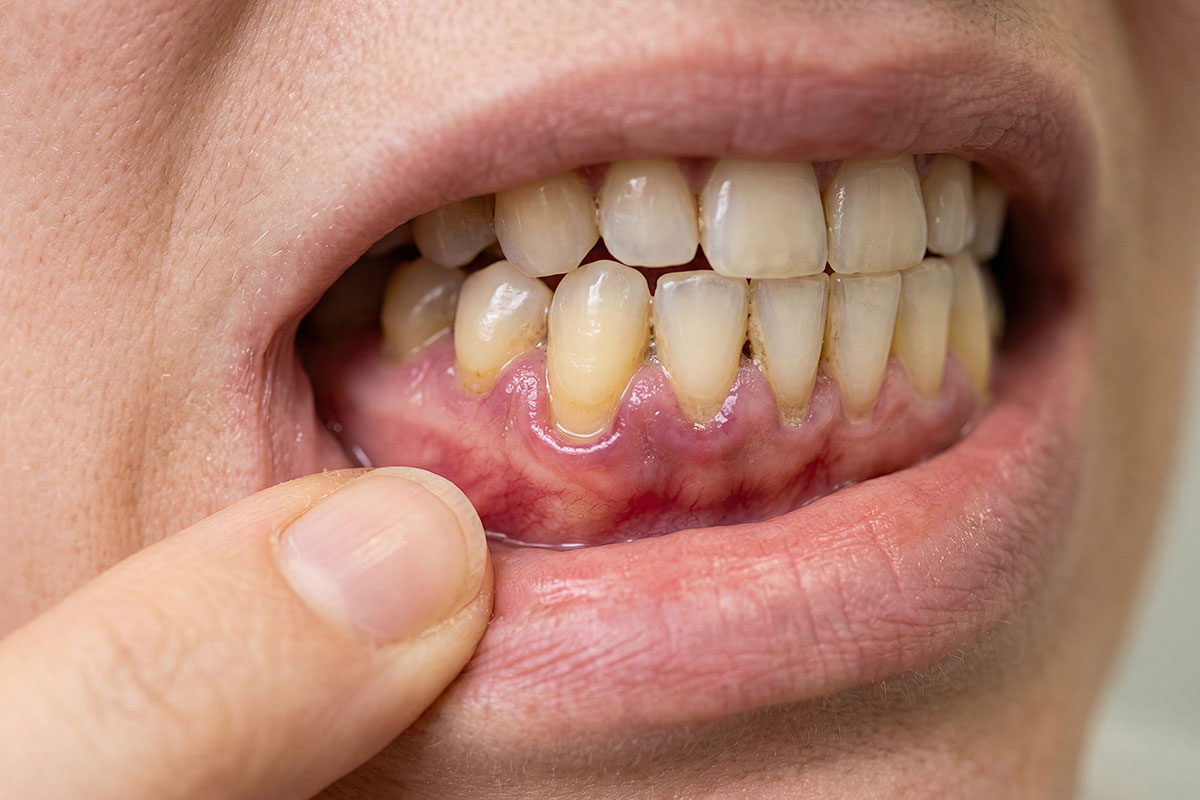
If you have experienced bleeding gums, gum recession, loose teeth, or previous periodontal treatment, you may wonder whether dental implants are still an option. A history of gum disease does not automatically rule out implant treatment. However, active gum disease generally needs careful evaluation and management because healthy surrounding tissues are important for implant care. Periodontal maintenance can play an important role in protecting oral health before and after tooth replacement.
At Easy Dental Implant Center in West Orange, NJ, planning dental implants with gum disease requires looking at more than the missing tooth. The condition of the gums, amount of supporting bone, oral hygiene, smoking history, medical conditions, and previous periodontal damage can all influence treatment recommendations.
The encouraging point is that previous gum disease and current active disease are not necessarily the same situation. Patients whose periodontal health is stable may still be able to consider dental implants after an appropriate evaluation.
What Is Gum Disease?
Gum disease is an inflammatory condition involving the tissues that surround and support the teeth.
Early gum inflammation may cause redness, tenderness, or bleeding. More advanced periodontal disease can affect the deeper supporting structures and contribute to gum recession, pockets around teeth, bone loss, and eventually tooth mobility.
Because dental implants are also surrounded by gum and bone, the health of these tissues matters when planning implant treatment.
A patient who has lost teeth because of periodontal disease may still be interested in implants, but the underlying disease process should be addressed rather than simply replacing the missing tooth.
Why Gum Health Matters for Dental Implants
A dental implant is positioned within the jawbone and passes through the gum tissue to support a crown, bridge, or larger restoration.
Therefore, the tissues around the implant need to remain clean and healthy. Plaque can accumulate around implants just as it accumulates around natural teeth.
Although an implant cannot develop a cavity, inflammation can still affect the gum and bone around it.
For this reason, patients considering dental implants should have their gum health evaluated as part of treatment planning.
Can You Get Dental Implants if You Have Had Gum Disease?
In many cases, a history of gum disease does not automatically prevent implant treatment.
The more important question is whether the periodontal condition is currently stable and whether the patient can maintain the tissues over time.
A person who previously received gum treatment and follows an effective maintenance program may be in a very different situation from someone with active inflammation, deep untreated pockets, and ongoing bone loss.
Consequently, your dentist needs to evaluate your current condition rather than make a decision based only on your dental history.
What if Gum Disease Is Active Right Now?
If active periodontal disease is present, treatment may need to focus on controlling that condition before implant placement.
This is particularly important when natural teeth remain elsewhere in the mouth. Untreated inflammation should not be ignored simply because the implant is planned in a different location.
Depending on the severity of gum disease, treatment may involve professional cleaning, deeper periodontal therapy, changes in home hygiene, more frequent maintenance, or other periodontal care.
Once the tissues are healthier and the condition is stable, implant options can be reassessed.
How Gum Disease Can Affect Jawbone
Periodontal disease can damage the bone that supports natural teeth. When teeth are lost because of advanced gum disease, the implant site may have less bone available than expected.
In addition, the jaw can continue changing after a tooth is removed.
Because implants need sufficient supporting bone, diagnostic imaging is often an important part of planning dental implants with gum disease.
If bone volume is inadequate, bone grafting may be considered. However, grafting is not needed for every patient, and the feasibility of augmentation depends on the individual site.
Does Gum Disease Around Natural Teeth Affect a Dental Implant?
The health of the entire mouth matters.
If periodontal disease remains active around natural teeth, high levels of inflammation and plaque are present in the same oral environment where the implant will need to function.
Therefore, implant planning should not focus only on the exact site where a tooth is missing.
A comprehensive evaluation considers remaining teeth, gum pockets, bleeding, oral hygiene, bone support, and maintenance habits throughout the mouth.
What Is Peri-Implant Disease?
Dental implants can develop inflammatory conditions in the tissues around them.
Early inflammation may affect the soft tissue surrounding an implant. More advanced disease can involve supporting bone.
This is one reason implant maintenance is so important, particularly for patients with a history of periodontal disease.
Regular professional monitoring allows the dental team to evaluate tissue changes, plaque accumulation, bleeding, bite forces, and the condition of the restoration.
Patients should also report new bleeding, swelling, discomfort, bad taste, or changes around an implant rather than waiting for a routine visit.
Benefits of Gum Disease Treatment Before Dental Implants
Managing periodontal health before dental implant treatment can provide several important advantages:
- Creates a healthier oral environment: Controlling active inflammation supports better conditions for implant treatment.
- Identifies bone loss early: Periodontal evaluation can reveal where supporting bone has been affected.
- Improves treatment planning: The dentist can coordinate gum care, extraction, grafting, and implant placement in the appropriate sequence.
- Builds better hygiene habits: Patients can establish effective cleaning techniques before an implant restoration is completed.
- Supports long-term maintenance: A periodontal maintenance schedule can continue after implant placement.
- Protects remaining natural teeth: Gum disease treatment addresses more than the implant site and can support the health of teeth throughout the mouth.
- Provides realistic expectations: Patients can understand their individual risk factors and what long-term care will require.
How Does a Dentist Evaluate Gum Health Before Implants?
The evaluation generally includes examining the gums around remaining teeth, looking for inflammation, assessing recession, and measuring areas where the gum has separated from the tooth.
Diagnostic images help show the amount of supporting bone. The dentist may also evaluate tooth mobility and areas where bone loss has already occurred.
The implant site itself is examined for bone width, height, and overall anatomy.
Medical history is important as well. Certain health conditions and medications can influence healing or periodontal health. Smoking and nicotine use should also be discussed openly because they can affect oral tissues and treatment outcomes.
What Happens if a Tooth Must Be Removed Because of Gum Disease?
When a tooth has lost substantial periodontal support, extraction may sometimes become necessary.
If an implant is being considered, it is helpful to plan the replacement before extraction whenever possible. The dentist can evaluate whether the socket should receive bone grafting and whether immediate implant placement is realistic.
However, significant infection, bone loss, or tissue damage may make staged treatment more appropriate.
In those cases, the tooth is removed, the area is managed according to its condition, and implant placement occurs after the tissues have had an opportunity to heal.
Can Dental Implants Get Gum Disease Too?
Dental implants do not have a natural periodontal ligament like teeth, but the surrounding gum and bone can still develop inflammation.
That is why implant-supported teeth should never be treated as maintenance-free replacements.
Patients need to remove plaque carefully around implant crowns, bridges, and full-arch restorations. The exact cleaning technique depends on the design of the restoration.
Professional monitoring remains important because early tissue changes may not cause obvious symptoms.
How Do You Care for Dental Implants After Gum Disease?
Daily plaque control is essential. Patients should brush thoroughly around implant restorations and use floss, interdental brushes, or other aids recommended for their specific restoration.
Some implant bridges require cleaning underneath connected replacement teeth. Implant-supported dentures have different maintenance needs depending on whether they are fixed or removable.
Regular periodontal maintenance may be recommended for patients with a history of gum disease. The interval depends on individual risk and oral health rather than a single schedule for everyone.
Professional visits allow the dental team to monitor both implants and natural teeth together.
Can You Get Implants if Gum Disease Caused Your Tooth Loss?
Possibly. Losing a tooth to periodontal disease does not automatically mean the area can never receive an implant.
However, several questions need to be answered first. Is the gum disease stable? How much bone remains? Is grafting needed? Can the patient maintain excellent plaque control? Are there additional risk factors?
If the answers support treatment, an implant may still be considered. If conditions are not yet suitable, periodontal treatment or other preparation may be recommended first.
What About Multiple Missing Teeth?
Patients with periodontal disease sometimes lose several teeth rather than just one. In those cases, planning can become more comprehensive.
Several implants may support a bridge, while patients missing most or all teeth may consider a full-arch restoration. The number and position of implants depend on available bone, the planned restoration, and the overall bite.
Importantly, placing more implants does not remove the need for healthy gum tissues and good hygiene. Every implant-supported treatment requires long-term maintenance.
What Questions Should You Ask Before Treatment?
If you have a history of periodontal disease, ask whether your gum condition is currently stable and whether additional treatment is needed before implant placement.
You may also want to ask how much bone is available, whether grafting is anticipated, and how your previous periodontal history affects long-term maintenance.
Discuss how often professional care may be recommended after treatment and which cleaning tools will be needed for the planned restoration.
Understanding these responsibilities before treatment can help you make a more informed decision about dental implants with gum disease.
Do Not Wait for Gum Disease to Become Painful
One challenge with periodontal disease is that significant changes can develop without severe tooth pain. Bleeding, persistent bad breath, gum recession, shifting teeth, or loose teeth deserve evaluation even when you feel otherwise comfortable.
Addressing gum health earlier may help preserve natural teeth and can also provide better information if implant treatment becomes necessary.
For patients already missing teeth, periodontal evaluation helps create a clearer picture of which replacement options may be appropriate.
Explore Dental Implants With a History of Gum Disease in West Orange, NJ
Previous gum disease does not automatically mean dental implants are no longer an option. However, healthy and maintainable tissues are an important part of responsible implant planning. Treating active periodontal problems first can create a better foundation for future tooth replacement.
Contact Easy Dental Implant Center at (862) 233-7057 to Schedule a Consultation in West Orange, NJ. Our team can evaluate your gums, bone, missing teeth, and implant options and explain what preparation may be recommended before treatment.
Frequently Asked Questions About Dental Implants and Gum Disease
Can I get dental implants if I have gum disease?
A history of gum disease does not automatically prevent implant treatment. Active periodontal disease usually needs evaluation and management before implant placement is considered.
Why should gum disease be treated before dental implants?
Dental implants depend on healthy surrounding gum and bone. Managing active inflammation can create a healthier oral environment for treatment and long-term maintenance.
Can gum disease cause bone loss where an implant needs to go?
Yes. Advanced periodontal disease can reduce the bone supporting natural teeth. Imaging can help determine whether enough bone remains for implant placement or whether grafting should be discussed.
Can an implant develop gum problems after it is placed?
Yes. The tissues around dental implants can develop inflammation, which is why careful home hygiene and professional maintenance remain important after treatment.
Will I need more frequent dental cleanings after implants?
Some patients, particularly those with a history of periodontal disease, may benefit from a customized maintenance schedule. The appropriate interval depends on individual oral health and risk factors.