Table of Content:
You’re Missing a Tooth (Even Just One)
Your Denture Feels Loose or Embarrassing
You Avoid Chewing on One Side
You Have Advanced Gum Disease
A Tooth Is Severely Cracked or Broken
What Symptoms Mean It’s Urgent?
What Happens If You Wait Too Long?
Why Dental Implants Are the Gold Standard
A Limited-Time Implant Offer for West Orange Patients
Are You a Good Candidate?
Frequently Asked Questions
As a dentist who focuses exclusively on implants here at Easy Dental Implant Center in West Orange, NJ , I’ve noticed something over the years:
Most people wait longer than they should. Not because they don’t care — but because they’re unsure whether what they’re feeling is serious enough.
If you’re searching for dental implants in West Orange NJ , there’s usually already a reason. Let’s go through the real signs I see every week in our office — and what they actually mean.
“It’s just one tooth in the back. I can manage.”
Here’s what actually happens:
Nearby teeth begin shifting
Your bite changes
The opposing tooth starts drifting
The jawbone underneath begins shrinking
Bone loss can begin within months. I’ve seen patients wait two years and go from a straightforward implant case to needing bone grafting first.
If you’ve lost a tooth, early evaluation matters.
Learn more about your dental implant options here.
This is extremely common in West Orange and surrounding Essex County communities. Patients tell me:
“I can’t eat certain foods.”
“It moves when I talk.”
“I rely on adhesive every day.”
Loose dentures are usually a sign of bone shrinkage. Implant-supported solutions like All-on-4 Dental Implants or Implant-Supported Dentures provide stability and prevent continued bone loss.
I recently had a patient who avoided smiling in family photos for years because of slipping dentures. After implants, she told me she finally felt “secure.” That’s what this treatment is really about.
If you subconsciously chew on only one side, your body is compensating. Common causes:
Cracked tooth
Failing root canal
Deep decay
Infection below the gumline
When a tooth is structurally compromised beyond repair, replacing it with an implant often prevents larger problems. If you feel sharp, throbbing, or persistent pain, don’t wait.
Schedule an evaluation here.
Gum disease is one of the leading causes of adult tooth loss in New Jersey. Warning signs:
Bleeding gums
Receding gums
Loose teeth
Chronic bad breath
When bone support is significantly weakened, implants can provide a stronger long-term solution.
In some cases, rebuilding bone is necessary. Check out Bone Grafting & Sinus Lift
Not every tooth can be saved. If a crack extends into the root, a crown won’t solve the issue long-term. Infection risk increases the longer it’s left untreated.
Replacing a non-restorable tooth with an implant preserves jaw structure and prevents shifting.
Many patients are surprised that implants often feel more stable than their original damaged tooth.
Some symptoms should not be ignored.
Severe Throbbing Pain
This may indicate an abscess — a bacterial infection at the root. Possible symptoms:
Swelling
Fever
Pressure in the jaw
Bad taste
Infections can spread. Prompt evaluation is important.
Visible Facial or Jaw Swelling
Swelling is not normal and may indicate advanced infection requiring immediate attention.
Sudden Tooth Mobility
If a tooth suddenly becomes loose, supporting bone may be compromised.
Early intervention can sometimes preserve surrounding structures and reduce surgical complexity.
This is where treatment becomes more involved.
Ongoing Bone Shrinkage
Without tooth stimulation, the jawbone resorbs. That can lead to:
Need for bone grafting
Possible sinus lift
Higher overall cost
Longer healing time
Facial Structure Changes
Long-term missing teeth can contribute to a “sunken” appearance in the lower face. Implants help maintain structural support.
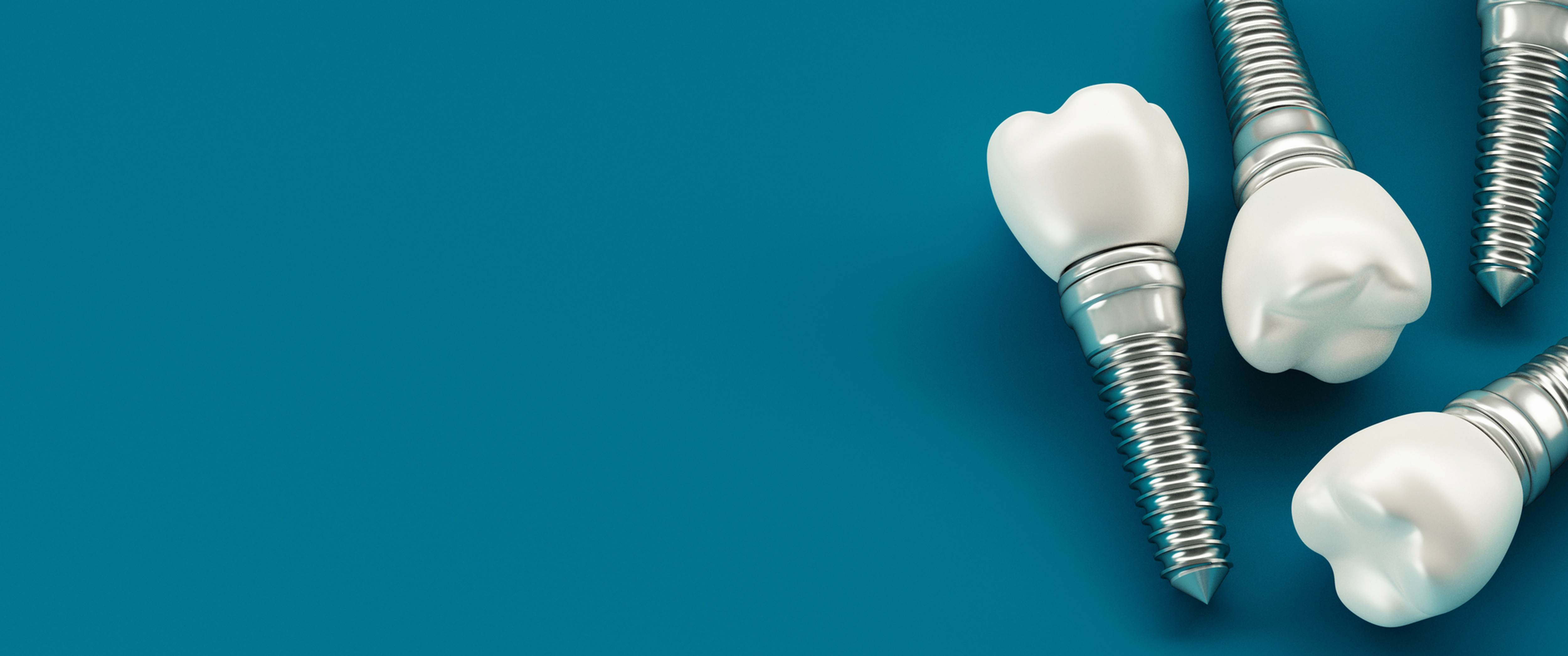
Dental implants are titanium posts that integrate with your jawbone. Once healed, they function like natural tooth roots. Benefits:
Preserve bone
Look natural
Strong and stable
Long-term solution
Do not affect adjacent teeth
For patients missing multiple teeth or full arches, check out Full-Mouth Dental Implants .
One concern I hear often is cost. We understand that dental implants are an investment. That’s why we currently have a special implant offer available for patients .
If you’ve been delaying treatment because of budget concerns, this may be the right time to explore your options.
You can view the current details here.
We also provide transparent pricing and financing options to make treatment more manageable.
Most adults are. Good candidates typically:
Are missing one or more teeth
Are tired of unstable dentures
Have adequate bone (or can receive grafting)
Are in generally stable health
At Easy Dental Implant Center, we use advanced 3D imaging to evaluate bone structure and create precise treatment plans.
How do I know if I need a dental implant instead of a crown?
If the tooth structure is too damaged to support a crown, the root is fractured, or infection has compromised the foundation, extraction and implant placement often provide a more stable long-term solution.
Is implant surgery painful?
Most patients report mild discomfort. With local anesthesia and optional sedation, implant placement is typically easier than a standard extraction and manageable with routine pain control.
Read next